
By: Richard L. Smith
Millions of Americans could lose access to federal food assistance under a new proposal from the Trump administration, raising concerns about the financial impact on New Jersey families already struggling with rising grocery prices and household expenses.

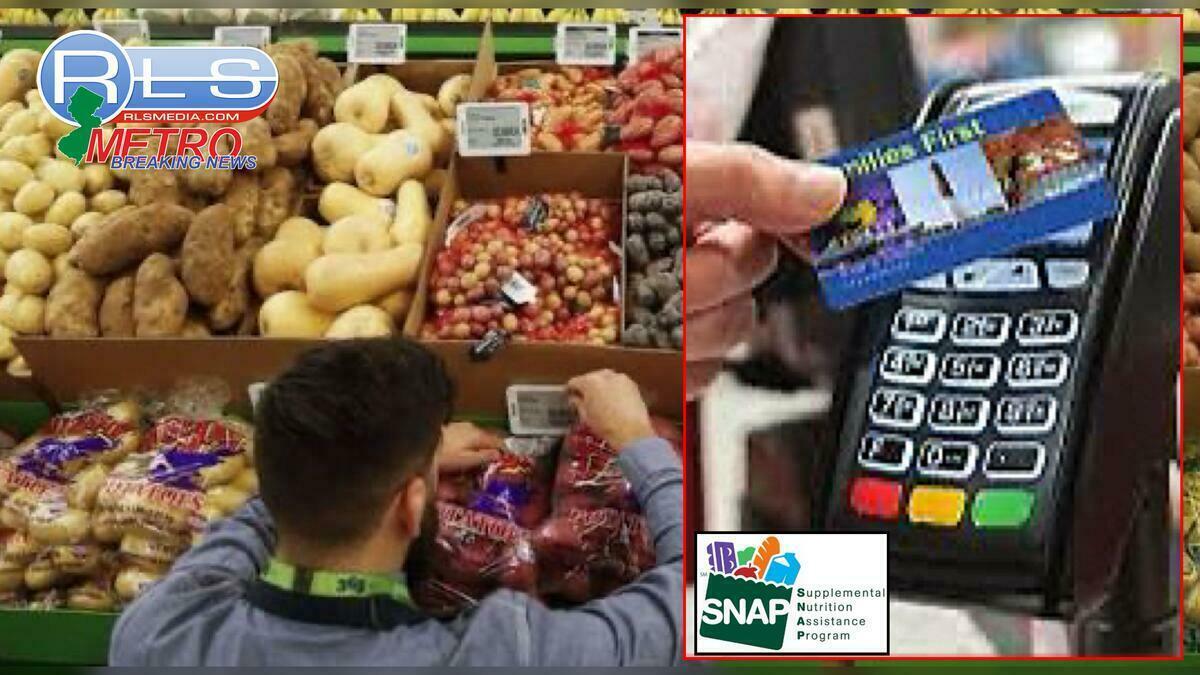
The U.S. Department of Agriculture has proposed tightening eligibility requirements for the Supplemental Nutrition Assistance Program (SNAP), commonly known as food stamps, in a move federal officials estimate could remove approximately 6.3 million people from the program nationwide.
The proposed changes, released November 10, could reduce federal spending by nearly $45 billion over five years.
Under the plan, more households would face stricter income and financial asset reviews, including additional verification of bank accounts and other financial resources before receiving benefits.
The administration argues that the changes would strengthen program oversight, reduce spending and ensure assistance reaches households that meet federal eligibility requirements.
However, the proposal comes as many New Jersey residents continue to feel the financial pressure of everyday living expenses.
A visit to Walmart or ShopRite in Kearny, or grocery stores throughout Middlesex County, offers a reminder of how expensive routine shopping has become. 
Even a relatively small grocery purchase can quickly add up, leaving families with difficult decisions about how to stretch their money.
While gasoline prices have offered some relief at times, transportation costs remain a concern, particularly as diesel prices can affect the cost of moving goods to supermarkets.
For families already living paycheck to paycheck, losing hundreds of dollars in monthly food assistance could create significant hardship.
The issue also carries a personal connection for many New Jersey residents who grew up in households where food stamps helped provide meals.
Growing up in Newark as one of 11 children, I remember my own family receiving food stamps. My mother depended on that assistance at times to help feed our household.
It was not about luxury or taking advantage of a government program. It was about making sure children had enough to eat.
That experience is shared by generations of families who have relied on temporary or long-term assistance during difficult financial periods.
The proposed restrictions could also affect school nutrition programs.
According to federal estimates, approximately 1.8 million children nationwide could lose automatic eligibility for free school meals because their families would no longer qualify for SNAP.
Although many of those students could still qualify for free meals through separate applications, the changes could create additional paperwork and financial uncertainty for parents.
In New Jersey, where housing, utilities, transportation and childcare expenses already consume large portions of household budgets, advocates are expected to closely examine the proposal’s potential consequences.
The changes are not yet final.
The USDA is accepting public comments through December 10, 2026, and no specific implementation date has been announced. Federal projections anticipate that the full impact could be felt by fiscal year 2029 if the proposal is adopted.
Separately, other SNAP restrictions approved under federal legislation in 2025, including expanded work requirements, have already begun taking effect.
The administration maintains that tighter eligibility standards would protect taxpayer dollars and reduce unnecessary government spending.
Still, the projected savings raise questions about the impact on low-income households, working parents, senior citizens and children who depend on food assistance.
For New Jersey families shopping at increasingly expensive supermarkets, the concern is not simply whether Washington can reduce federal spending.
It is whether households already struggling to afford groceries will be able to absorb another financial setback.
As the federal government considers the proposed restrictions, the debate is likely to place renewed attention on the balance between controlling government spending and ensuring that families have enough food on their tables.