
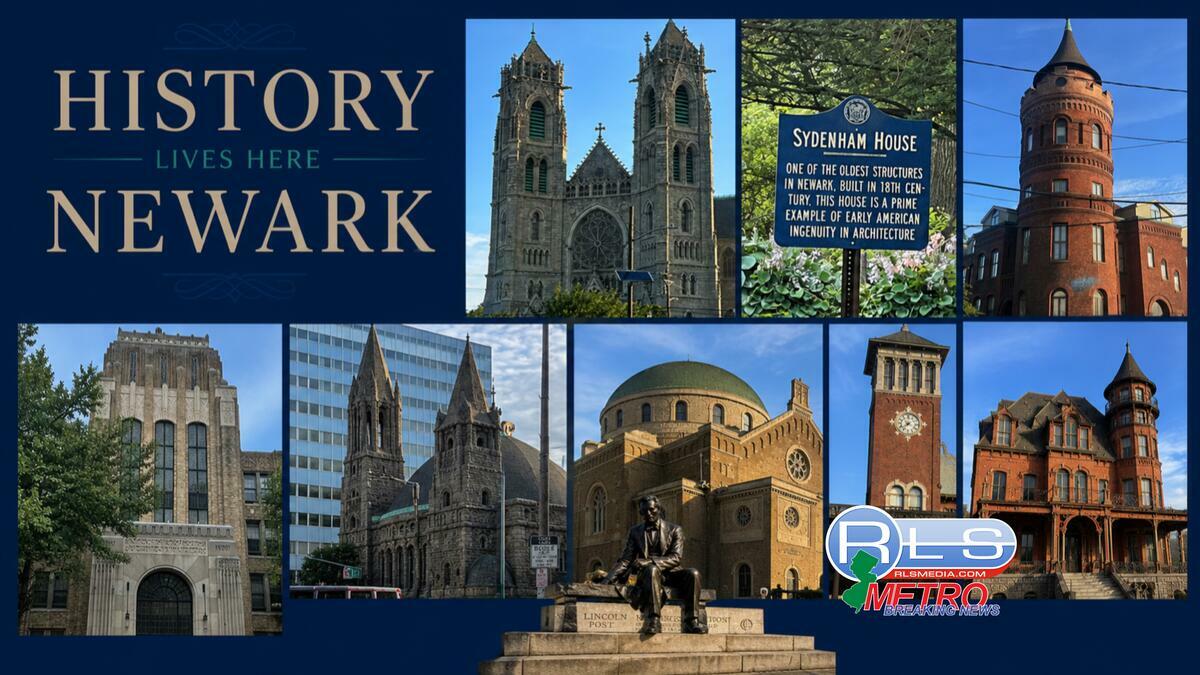
By: Richard L. Smith
Every Fourth of July, we celebrate America’s independence, but this year feels even more meaningful as our nation marks its 250th anniversary. It made me stop and think about the city that shaped me.

I was born and raised in Newark. I’ve walked these streets, covered thousands of stories here, taught generations of students here, and spent more than three decades documenting the people and places that make this city unlike any other.
The more I travel, the more I realize something: Newark isn’t just part of New Jersey’s history—it helped shape the story of America itself.
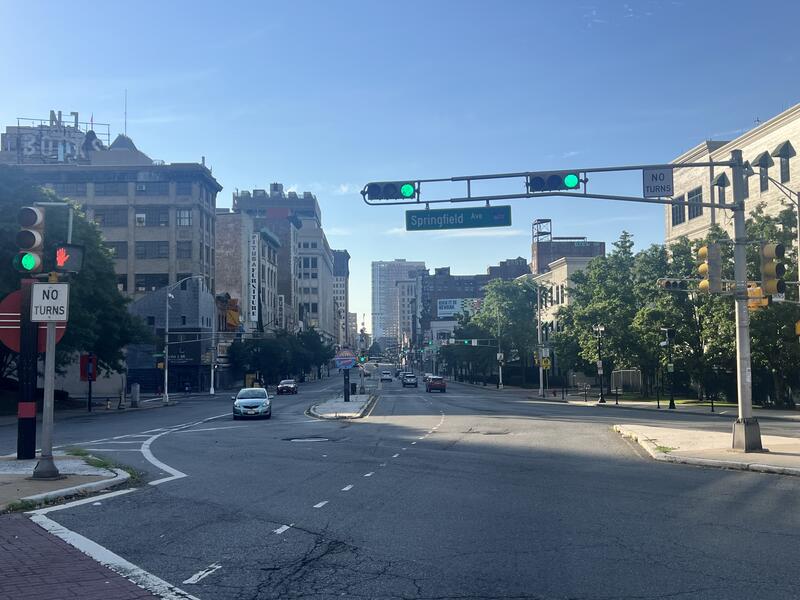
Founded in 1666, Newark is actually 110 years older than the United States.
Long before the Declaration of Independence was signed, Newark was already a growing colonial settlement that would play important roles during the Revolutionary War, the Industrial Revolution, and America’s rise as one of the world’s leading manufacturing centers.
There are roughly 75 properties and historic districts in Newark listed on the National and New Jersey Registers of Historic Places.
That means these ten places barely scratch the surface. Still, if someone asked me where they should begin exploring Newark’s incredible history, this would be my list.
1. The Plume House (1725)
This is, without question, my favorite historic site in Newark (Don’t you dare ask why 😊) .
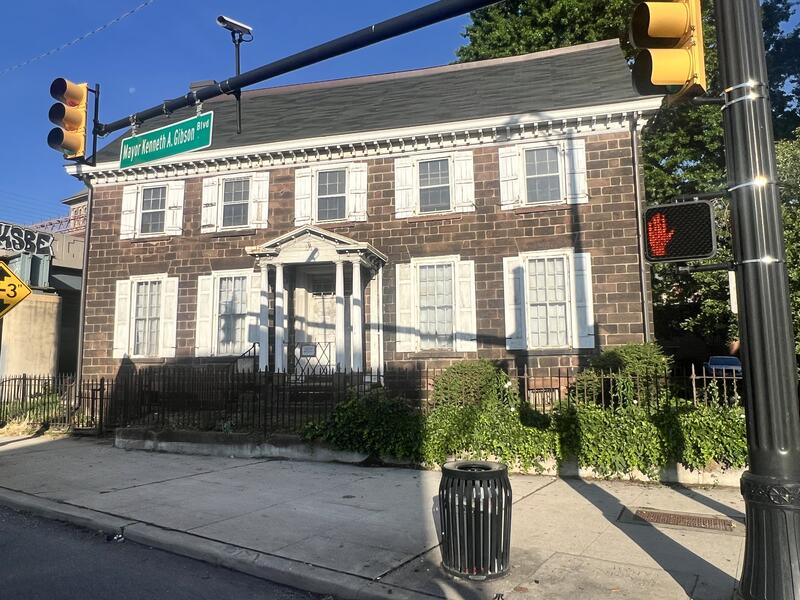
While I was a film/broadcasting teacher at Arts High School, I made it a point almost every year to have my students go to the Plume House because history comes alive the moment you step inside.
Built in the early 1700s by the Plume family, the house survived the Revolutionary War, the Industrial Revolution, urban renewal and even the construction of Interstate 280 just a few feet away.
But what fascinates me most is that this isn’t just one of Newark’s oldest homes—it also became the workplace of Rev. Hannibal Goodwin, who invented celluloid photographic film in the attic of the house.
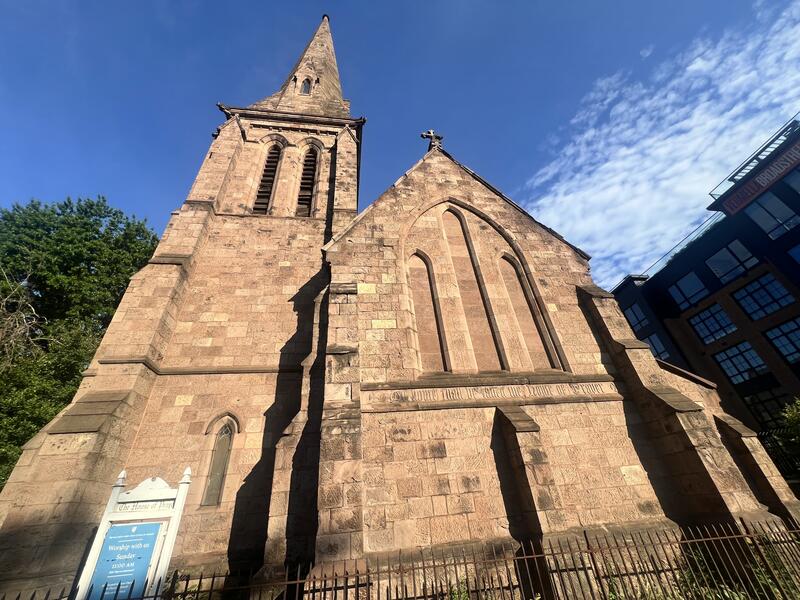
As someone who has dedicated his life to television, filmmaking and and over 4000 career hours of live TV broadcasting, standing inside a place connected to one of the greatest advancements in photography and motion pictures is something I’ll never forget.
2. Arts High School
I might be a little biased, but after spending 23 unforgettable years teaching there, I think Arts High School deserves a place among Newark’s greatest landmarks.
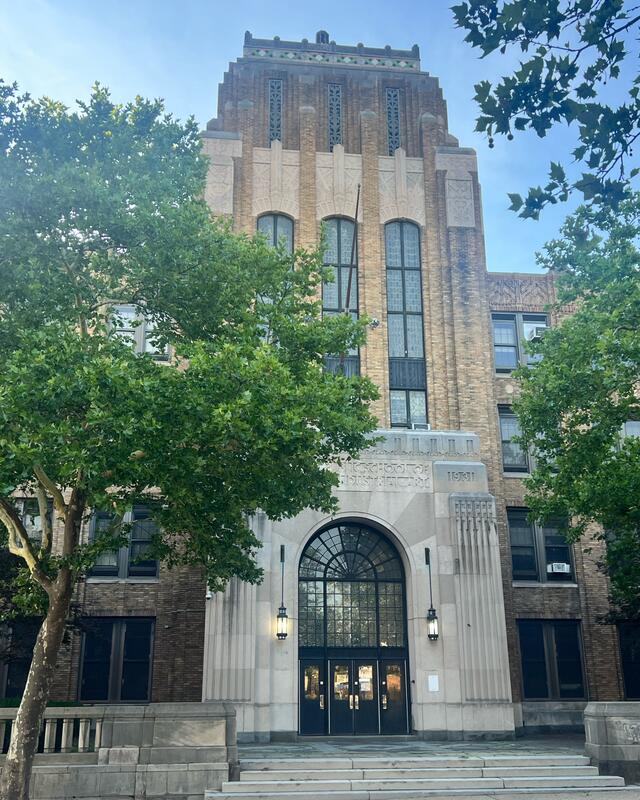
As the nation’s first public high school dedicated to the visual and performing arts, Arts High has produced generations of musicians, actors, dancers, artists and performers and broadcasters whose talents reached audiences around the world.
Some of my greatest memories happened inside those walls. I watched students discover gifts they didn’t even know they had, and I had the privilege of working alongside some of the finest educators I’ve ever known.
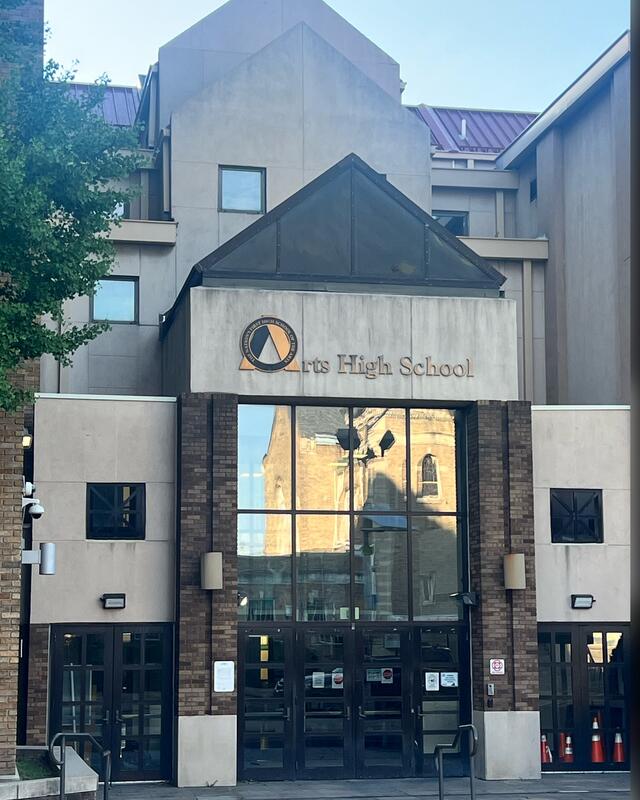
I retired from there, but a part of me will always remain in that building.
For me, Arts High School isn’t just historic, it’s home.
3. Krueger-Scott Mansion
Growing up on High Street—today’s Martin Luther King Jr. Boulevard—I remember walking with my father to an ice cream shop (right across the street) and staring at this incredible mansion on Court Street.
Even as a kid, I couldn’t take my eyes off it.
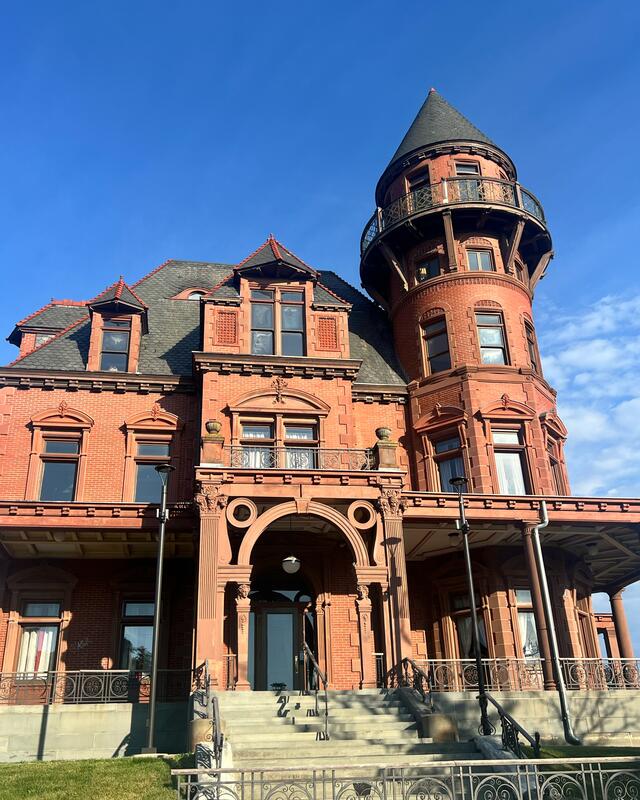
Built in 1888 by brewing magnate Gottfried Krueger, the mansion symbolized Newark’s booming brewing industry, which flourished because of the region’s exceptional water supply. At one point it was considered one of the most expensive private homes ever built in Newark.
After decades of neglect, seeing this architectural masterpiece beautifully restored reminds me that Newark never forgets its history, it simply finds new ways to preserve it.
4. Tiffany & Company Building
The first time I noticed this beautiful building was while driving along Bloomfield Avenue.
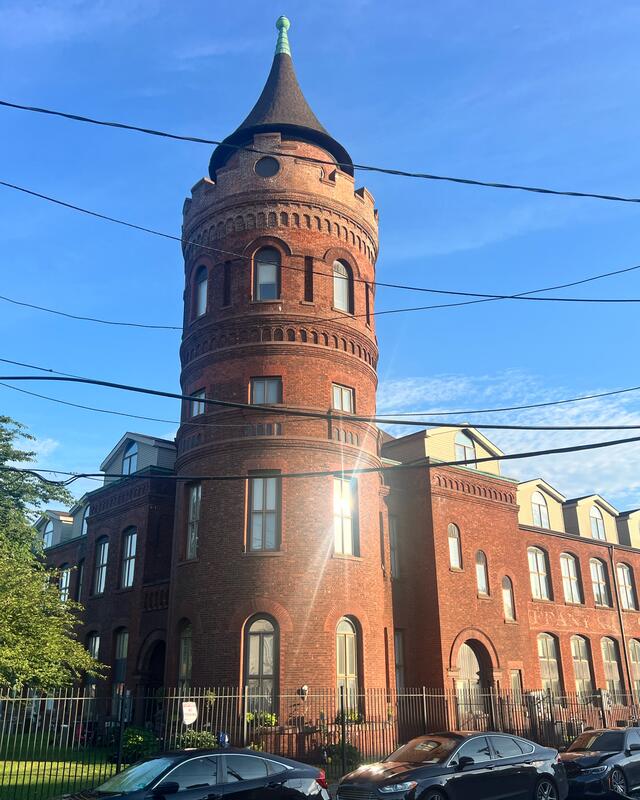
I had no idea what it was, but I knew it had a story.
Constructed in 1892, the Tiffany & Company complex once served as one of the company’s manufacturing facilities during Newark’s rise as one of America’s jewelry capitals.
Today it has found new life as residences, but every time I pass by, I think about the skilled craftsmen who once helped make Newark internationally known for fine jewelry and silverwork. It’s another reminder that Newark wasn’t just making products,it was helping build America’s economy.
5. Sydenham House (1711)
Sometimes the best discoveries happen by accident.
One afternoon, after grabbing a couple of my favorite chili cheese hot dogs near Branch Brook Park, I took a different route home and turned onto Old Road to Bloomfield.
That’s when I saw it.
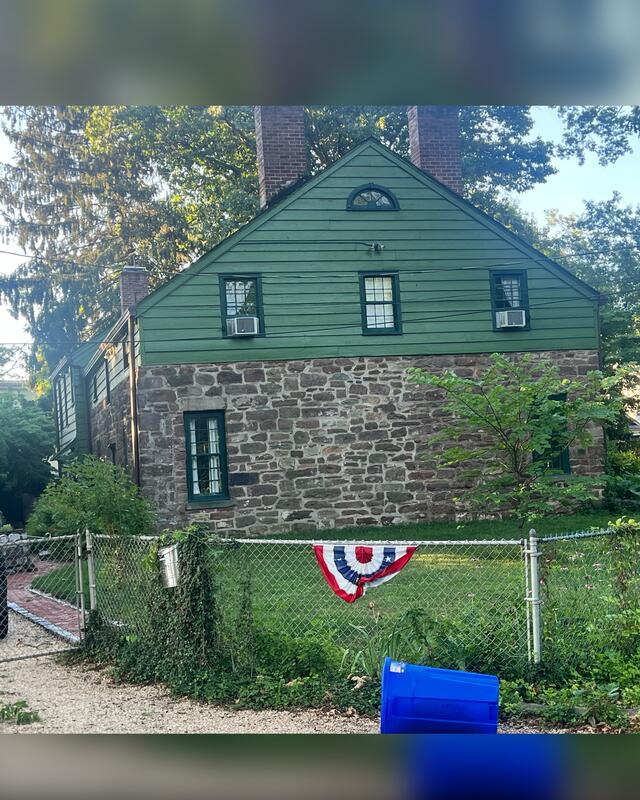
Sitting quietly beneath towering trees was one of Newark’s oldest surviving homes—the Sydenham House.
Built around 1711, this remarkable structure predates the United States by more than six decades.
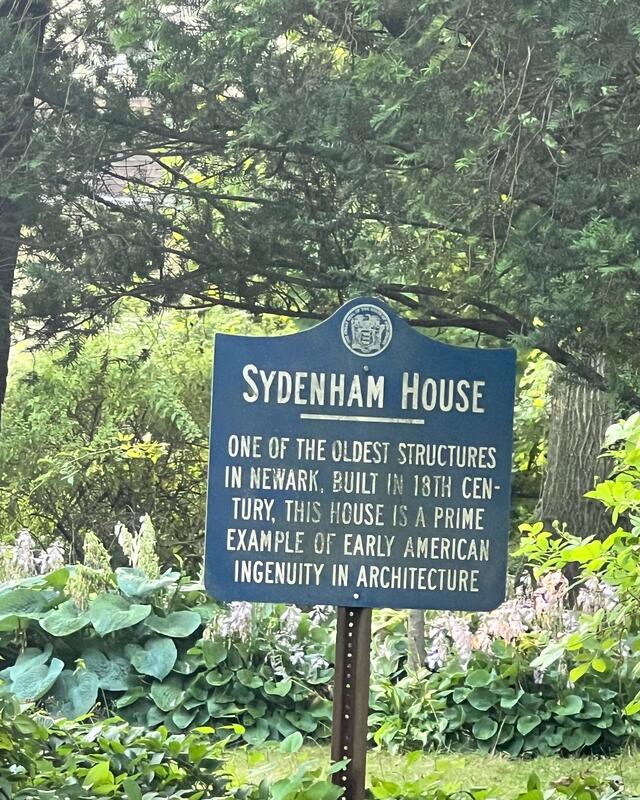
Standing there, I couldn’t help but think about everything this house has witnessed—from colonial America to the birth of our nation and now the celebration of America’s 250th birthday. It’s one of those places that makes you stop and appreciate just how deep Newark’s roots truly are.
6. Mount Pleasant Cemetery
Many years ago, I had the opportunity to tour Mount Pleasant Cemetery, and it completely changed how I viewed Newark’s history.
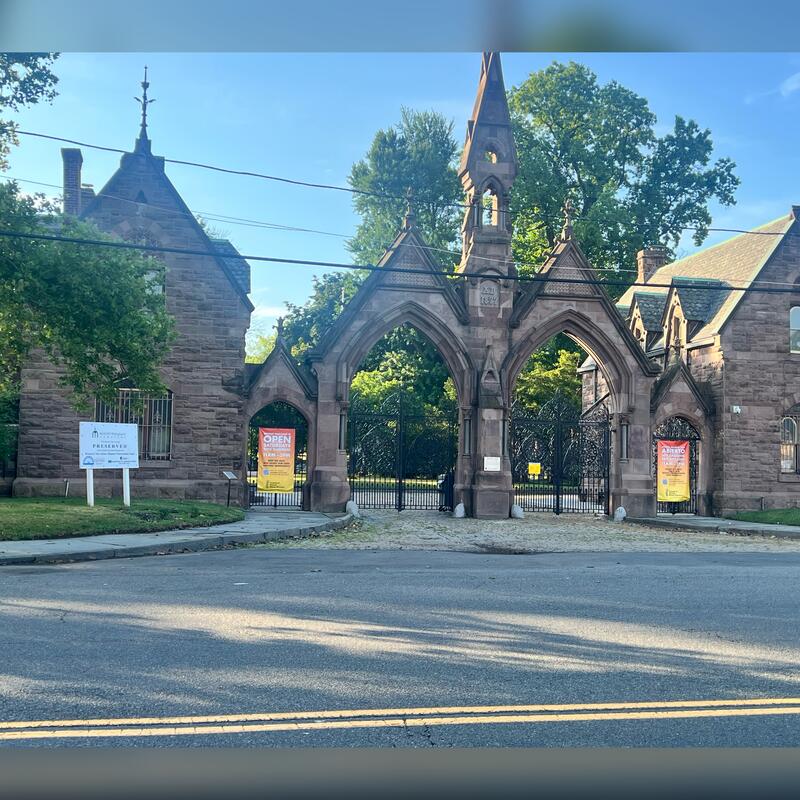
Established in 1844, it became the region’s first rural cemetery and serves as the final resting place for governors, inventors, business leaders, judges, military heroes and many of the families whose names still appear on Newark’s streets today.
Walking those peaceful grounds feels like turning the pages of New Jersey’s history book.
7. Grace Church
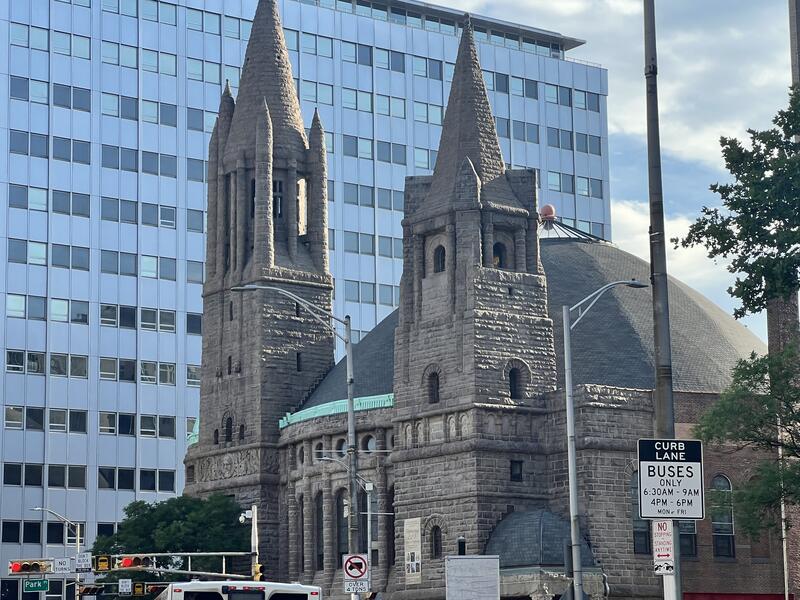
If you’ve ever driven down Broad Street, you’ve probably admired Grace Church without even realizing its historical importance.
Samuel Augustus Ward became well known for his composition of the hymn tune “Materna,” which is now the tune most commonly paired with Katherine Lee Bates’ poem, “America.” Ward was a native son of Newark, born in 1847, and served as organist and choirmaster at Grace Church in Newark from 1880 until his death in 1903.
Built in 1848, the Gothic Revival church has stood as a symbol of faith, resilience and beautiful architecture for generations of Newark residents.
It remains one of downtown’s most recognizable landmarks and continues to remind visitors of the city’s rich spiritual and architectural heritage.
8. Old First Presbyterian Church
Few places in Newark carry as much history as Old First Presbyterian Church.
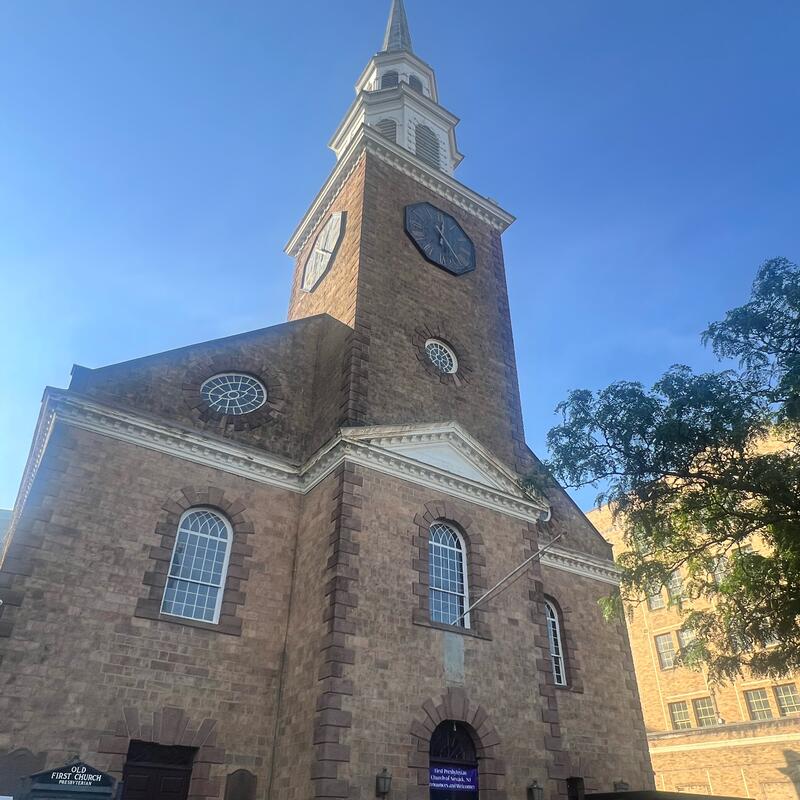
Founded in the colonial era, it has witnessed nearly every chapter of Newark’s development. One of the most fascinating stories associated with the church is its connection to the Underground Railroad.
Church officials have long maintained that a tunnel beneath the church helped enslaved people make their way toward freedom as part of a network leading toward Jersey City and beyond.
Whether you’re interested in faith, civil rights or American history, this is one of Newark’s true treasures.
9. Cathedral Basilica of the Sacred Heart
No matter where I am in Newark, I always find myself looking toward the Cathedral Basilica.
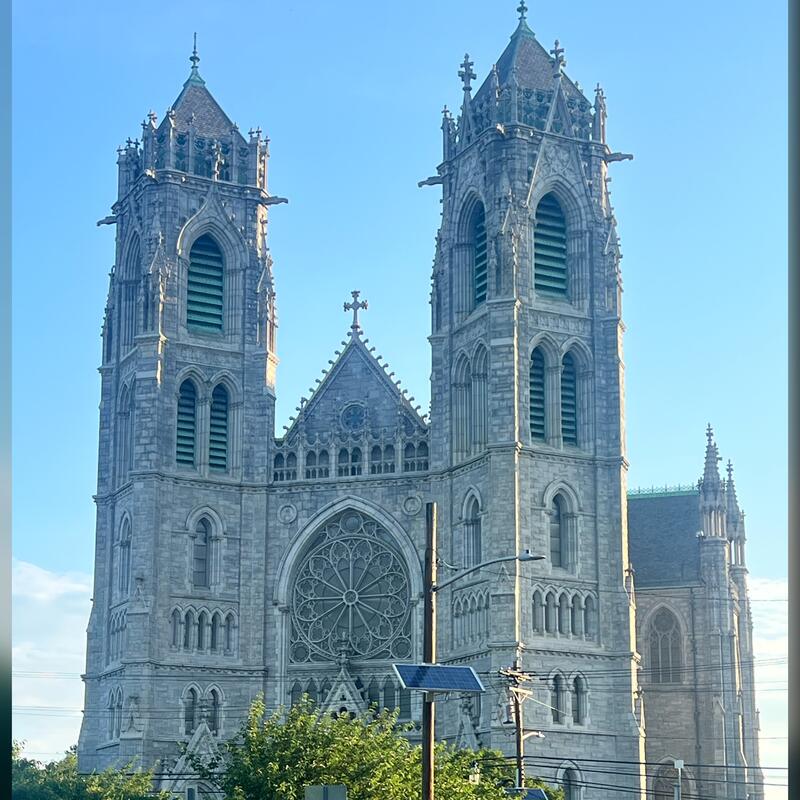
Whether I’m driving along Interstate 280, heading home from a breaking news assignment or coming back into the city late at night, those towers never fail to catch my attention.
Construction began in the late 1800s and the cathedral eventually became one of the largest Gothic cathedrals in North America.
In 1995, Pope John Paul II designated it a minor basilica during his historic visit to Newark, adding another remarkable chapter to its story.
To me, it’s more than a church. It’s one of Newark’s defining landmarks and a symbol that can be seen from miles away.
10. Essex County Courthouse
If you’ve spent any time in downtown Newark, you’ve undoubtedly admired the Essex County Courthouse.
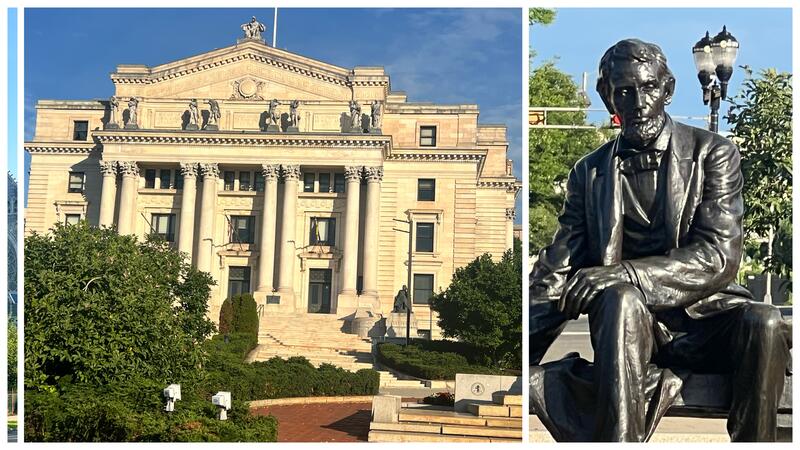
Standing proudly beside the statue of President Abraham Lincoln, this Beaux-Arts masterpiece has served generations of residents while witnessing some of the county’s most important legal and civic moments.
For me, it’s impossible to separate Newark’s story from this building. It represents justice, public service and the continuing evolution of one of America’s oldest cities.
As America celebrates 250 years of independence, I hope people also take a moment to celebrate Newark.
This city has been here since 1666. It stood before America was born and has helped shape this nation’s story through innovation, industry, education, faith and resilience.
These ten places are only a beginning. There are dozens more landmarks throughout Newark that deserve recognition, and each one tells another chapter in the remarkable story of our city.
For me, Newark has never just been where I was born and raised
It’s where I learned, where I taught, where I built my career, where I raised my voice as a journalist, and where history continues to unfold every single day.
Happy 250th Birthday, America.
And thank you, Newark, for helping write the story.