
By: Richard L. Smith
I grew up in Newark surrounded by something powerful—leadership that didn’t just speak from podiums, but showed up in the community.
Leaders who knew your name and (yup) even shook your hand when they saw you. 
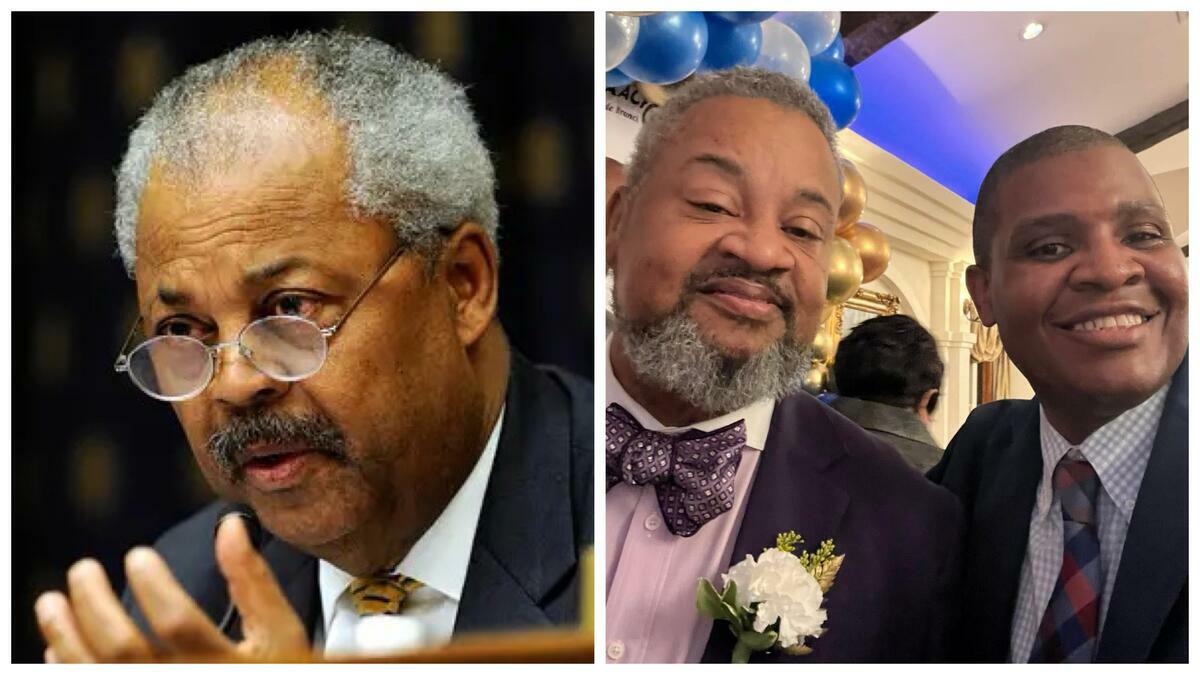
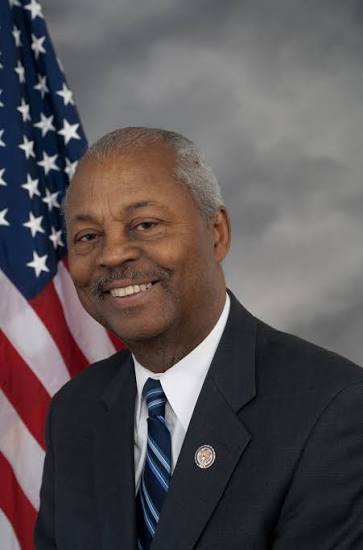
For me, that example was Congressman Donald Payne Sr. and later his son, Congressman Donald Payne Jr..
Both of these fine gentlemen represented New Jersey’s 10th Congressional District.
That district is centered around Newark and includes parts of Essex, Hudson, and Union counties—covering many of the same communities you’re talking about in your piece.
I didn’t just know them from headlines. I saw them.
As a young referee trying to find my way, I remember Saturday mornings at the old St. Rocco’s gym in Newark. Congressman Payne Sr. would be there—calm, consistent, always in the same seat—watching his grandson play. No spotlight. Yeah, just present.
And after games, he’d shake my hand and say, “Good refereeing.”
That stayed with me.
Here was a man with federal power, but still a community guy. That’s the kind of leadership many of us grew up respecting—not distant, but connected.

New Jersey still has strong Black leadership. But we have to ask honestly—are we seeing a shift?
And if we are, what does it mean for the next generation?
Part of that conversation became even more real this week.
On Monday, the U.S. Supreme Court again dealt a blow tied to voting rights protections—continuing a trend that began with Shelby County v. Holder, which weakened key parts of the Voting Rights Act of 1965. 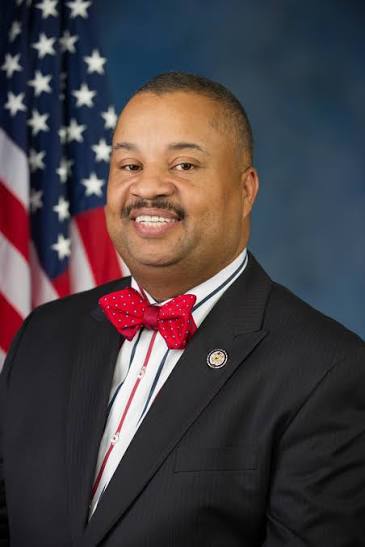
Each step away from those protections raises concerns about access, participation, and ultimately representation.
When access to the ballot becomes more complicated—even subtly—it can impact who shows up. And when fewer people show up, representation can shift over time.
That matters—even here in New Jersey. You better believe it!
So what do we do?
We MUST stay engaged. Not just during major elections, but in the local races that shape our neighborhoods.
We invest in young leaders—give them exposure, mentorship, and the belief that leadership is within reach.
And we hold onto the example we were given. Leadership that SIMPLY shows up.
Leadership that remembers the community.
Because what made Congressman Payne Sr. and Congressman Payne Jr. special wasn’t just their positions—it was their presence.

Newark gave many of us that blueprint.
The question now is whether we’re doing enough to protect it—before we don’t just lose representation, but the connection that made it meaningful in the first place.