
By: Richard L. Smith
A nationwide food recall has expanded to include nearly 37 million pounds of frozen products after concerns that some items may contain pieces of glass, according to a press release from the U.S. Department of Agriculture Food Safety and Inspection Service.
Federal officials said Ajinomoto Foods North America, based in Portland, Oregon, expanded its February 19, 2026 recall of frozen not-ready-to-eat chicken products. 
The expanded recall now includes approximately 33.6 million additional pounds of ready-to-eat and not-ready-to-eat chicken and pork items.
In total, about 36,987,575 pounds of products are now subject to the recall.
According to federal food safety officials, the expanded recall involves 16 products produced between October 21, 2024, and February 26, 2026, sold under several well-known brands including Ajinomoto, Kroger, Ling Ling, Tai Pei, and Trader Joe’s.
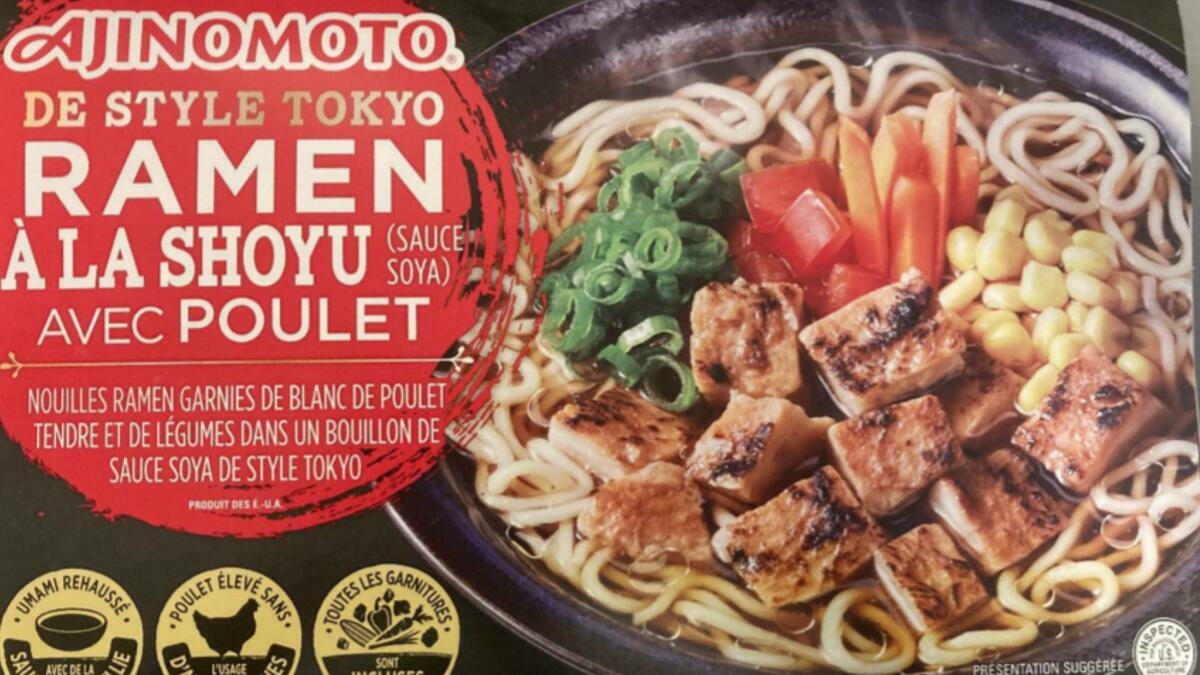
The affected foods include various frozen chicken and pork fried rice, ramen, and shu mai dumpling products with best-by dates ranging from February 28, 2026 through August 19, 2027.
Officials said the recalled items bear establishment numbers P-18356, P-18356B, or P-47971 inside the USDA inspection mark and were shipped to retail stores nationwide.
Some Ajinomoto products were also exported to Canada and Mexico.
The issue was discovered after the company notified federal inspectors that it had received multiple consumer complaints reporting glass found in the products.
An internal investigation later determined the likely source of the contamination was a vegetable ingredient—specifically carrots—used in the manufacturing process.
At this time, officials said no injuries have been confirmed in connection with the recalled products.
However, anyone who believes they may have been injured after consuming the products is encouraged to contact a healthcare provider.
Food safety officials are concerned that some of the recalled items may still be in consumers’ freezers or on store shelves. 
Consumers who purchased the affected products are advised not to eat them and instead throw them away or return them to the place of purchase for a refund.
Federal inspectors will continue monitoring the recall process to ensure retailers remove the affected products from the market and that distributors notify their customers.