
By Richard L. Smith
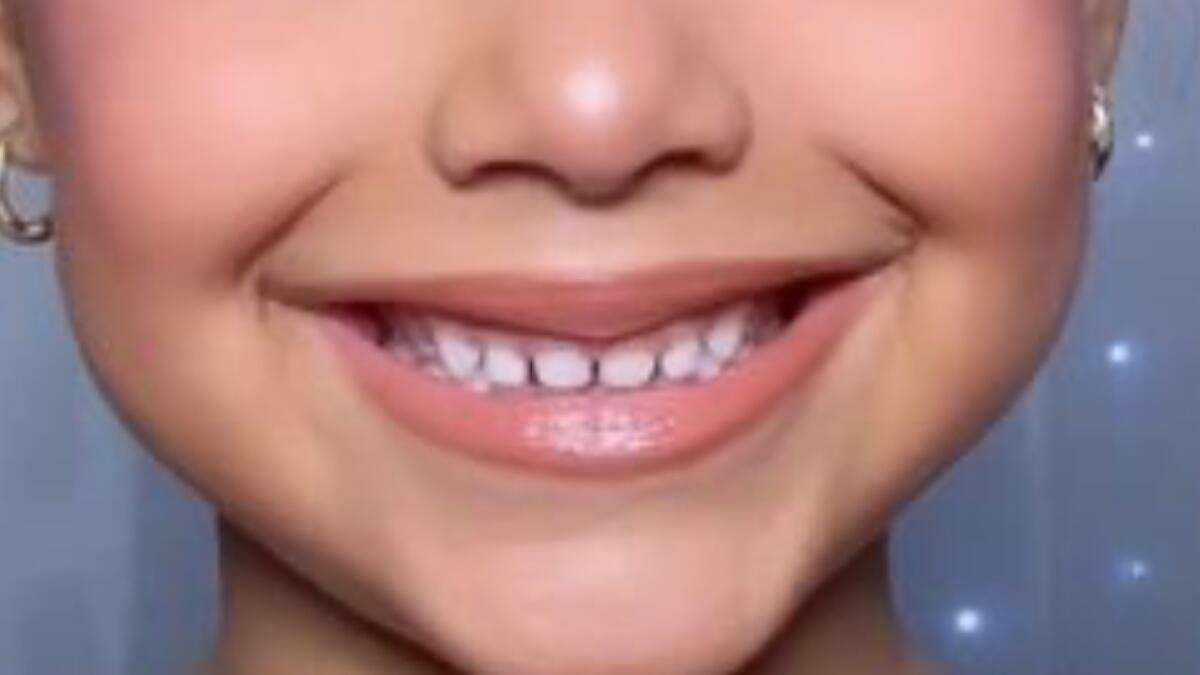
In communities across New Jersey, more parents say they are having conversations they never expected to have with children still in elementary school, some as young as six, about mascara, lip gloss, contouring, and skincare routines.
I recently spoke with a North Jersey mother who told me her first grader asked for a “makeup kit” after watching beauty tutorials online.
“She said all the girls are doing it,” the mother explained. “She’s six.”
From Newark to Bergen County, parents describe a similar shift: children becoming increasingly focused on physical appearance at younger ages, influenced by social media, influencers, and marketing campaigns that blur the line between toys and cosmetics.
The beauty industry has taken notice. Major cosmetic brands and retailers have introduced colorful, youth-oriented product lines that resemble playsets but function as real cosmetics.
While some products are marketed as creative self-expression, critics argue the messaging often reinforces appearance-based values during a critical stage of childhood development.
According to reporting by Reuters, the beauty sector has experienced steady growth driven in part by younger consumers, particularly through social media platforms where influencers, including pre-teens, showcase elaborate skincare and makeup routines.
Industry analysts cited in Reuters reports note that Generation Alpha, children born after 2010, is rapidly emerging as a powerful consumer demographic, prompting brands to adjust their strategies accordingly.
Here in New Jersey, pediatricians and child psychologists say they are seeing the cultural ripple effects.
Specialists caution that early emphasis on physical appearance can shape self-worth in unhealthy ways.
Research from national mental health organizations has long suggested that consistent exposure to appearance-focused messaging may increase body dissatisfaction, anxiety, and lower self-esteem — especially among girls, though boys are increasingly affected as well.
One Bergen County child psychologist told me the issue is not necessarily makeup itself, but the underlying motivation behind it.
At six years old, children are forming their sense of identity. When they begin tying their value to how they look, particularly in comparison to filtered and curated online images, it can carry long-term emotional consequences.
Today’s children are growing up in what some experts describe as a digital mirror. Filters, beauty apps, and curated content create unrealistic standards that even adults struggle to navigate.
Platforms such as TikTok and Instagram have amplified trends like “Get Ready With Me” videos, once aimed at teens and adults but now featuring children demonstrating multi-step skincare routines.
Dermatologists also warn that some products, especially anti-aging formulas, are not designed for young skin and may cause irritation or damage.
For many New Jersey parents, the challenge is finding balance. Some allow light lip gloss for special occasions. Others draw firm boundaries around cosmetics and screen time.
One Hoboken father told me, “It’s not about being strict. It’s about protecting her childhood.” A Newark mother shared that her seven-year-old cried after comparing herself to influencers online, saying she didn’t feel “pretty enough.”
That moment, she said, forced her to rethink how much digital content her daughter was consuming.
Experts stress that occasional play makeup is not inherently harmful. The concern grows when children equate beauty with worth, experience anxiety about their appearance, or feel pressure to look older to fit in socially.
Long-term research suggests early body dissatisfaction can correlate with depression, eating disorders, and persistent low self-esteem during adolescence.
Many specialists recommend early conversations about advertising and marketing, teaching media literacy, encouraging hobbies unrelated to appearance, and consistently reinforcing that self-worth is rooted in character and abilities rather than looks.
As someone who covers youth and community issues throughout New Jersey, I have watched this cultural shift unfold quickly. What once seemed like teenage territory is now reaching into elementary classrooms.
The question many parents are asking is not whether makeup is inherently bad, but whether childhood itself is being rushed — and at what emotional cost.