
By: Richard L. Smith
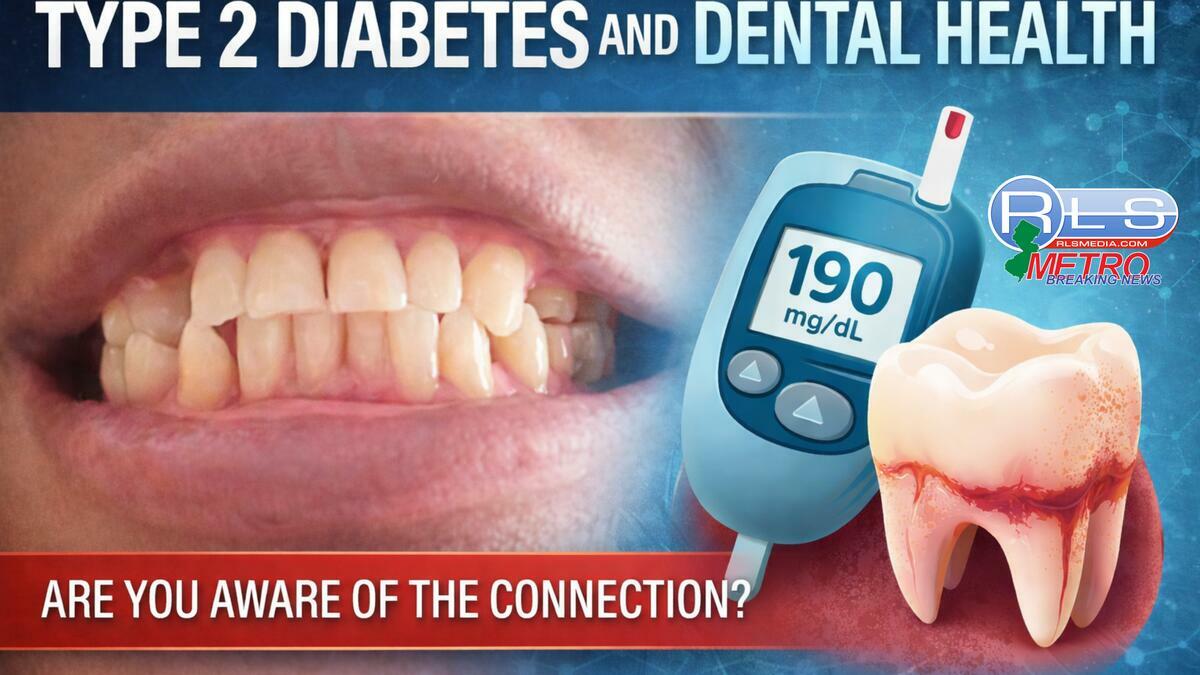
As I started looking deeper into the connection between my recent diagnosis of pre-diabetes and those who have Type 2 diabetes and dental health, one thing became immediately clear; what happens in the body doesn’t stop at blood sugar levels, some research that I found often shows up first in the mouth.
According to findings published in leading medical journals, including research referenced by the Journal of the American Medical Association (JAMA), people with Type 2 diabetes are at significantly higher risk for oral health problems.
These include gum disease, tooth loss, dry mouth, infections, and slower healing after dental procedures.
At some point, I experienced all of the above until I got my pre-diabetes under control swiftly.
What surprised me most is how early the warning signs can appear. Studies consistently show that chronic high blood sugar weakens the body’s ability to fight bacteria.
In the mouth, that translates into more plaque buildup, inflamed gums, and a much higher likelihood of periodontal disease.
In fact, severe gum disease has been described in medical literature as a common complication of poorly controlled diabetes, and in some cases, a red flag that diabetes or pre-diabetes may already be present.
This is especially important for New Jersey residents to understand, given how widespread both diabetes and dental care access have become across the state.
In large cities like my hometown of Newark, dental offices are now almost as common as corner pharmacies, and that’s a good thing.
There are more than three dozen dental offices operating throughout the city, along with vital services provided by Rutgers Dental School dental and oral health programs.
This growing access means more people have an opportunity to catch oral health issues early, before they spiral into larger medical problems.
Medical experts note that the relationship between diabetes and dental health goes both ways. Gum disease doesn’t just result from diabetes, it can actually make blood sugar harder to control.
Chronic oral inflammation places additional stress on the body, contributing to insulin resistance and worsening glucose management. That cycle can be especially dangerous for people who don’t yet know they are pre-diabetic.
What the research reinforces is simple but powerful: your mouth can reveal what’s happening in your body.
Bleeding gums, persistent bad breath, loose teeth, or frequent infections are not just dental issues, they may be signals of an underlying metabolic problem.
For New Jersey families, particularly in urban communities where diabetes rates remain high, routine dental visits should be viewed as part of overall health care, not an optional extra.
Dentists are often among the first health professionals to notice signs that something deeper may be wrong.
This is why the growing presence of dental offices across throughout the state matters. Access leads to early detection, early conversations, and better outcomes, not just for teeth, but for long-term health.
The takeaway is clear, managing blood sugar helps protect your smile, and protecting your smile may help reveal problems before diabetes causes lasting damage.
Keeping an eye on oral health isn’t just about appearance — it’s about prevention.