
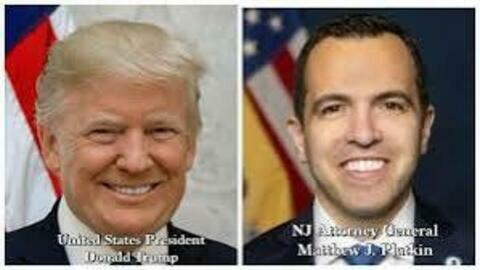
By: Richard L. Smith
New Jersey Attorney General Matthew J. Platkin has joined a coalition of 19 states in a lawsuit against the Trump Administration over a policy that imposes a $100,000 fee on new H-1B visa petitions, according to information released by the New Jersey Attorney General’s Office.

The lawsuit challenges a proclamation issued by President Trump on September 19, 2025, which ordered the unprecedented fee for new H-1B applications filed after September 21.
The H-1B visa program allows U.S. employers to hire highly skilled foreign workers in specialized fields such as health care, education, scientific research, and technology.
State officials argue the fee undermines the purpose of the H-1B program by making it significantly more difficult to address labor shortages, particularly in critical sectors like hospitals and schools.
In New Jersey, officials warn the policy could lead to longer emergency room wait times, delays in medical appointments, and increased classroom overcrowding.
The complaint alleges the $100,000 fee violates federal law by exceeding the authority granted to the executive branch, bypassing required rulemaking procedures, and conflicting with congressional intent.
Historically, H-1B-related fees range from under $1,000 to approximately $7,600 and are tied to the actual cost of processing applications.
New Jersey has been among the states most impacted by the policy. During fiscal year 2025, the state recorded 7,729 approvals for initial H-1B employment—ranking fourth nationwide.
The visas have been used to help fill teacher shortages across K-12 school districts and staffing gaps in hospitals and medical residency programs.
Nearly one-third of New Jersey’s health care workforce consists of immigrants, many of whom rely on H-1B visas.

The lawsuit is being led by California and Massachusetts. Other states joining the legal challenge include New York, Illinois, Maryland, Michigan, Washington, and Connecticut, among others.
State officials say they are seeking to block the policy in court, arguing it would severely disrupt essential public services and worsen existing workforce shortages if allowed to stand.