
By: Richard L. Smith
New Jersey, what starts as a false emergency call can quickly turn into a life-threatening situation. 
Across The Garden State, and the country, a dangerous trend known as “swatting” is putting communities, schools, and law enforcement on high alert—with some districts now seeing repeated incidents in a single year.
Swatting involves calling in fake reports of serious crimes, such as active shooters, bomb threats, or hostage situations, with the goal of triggering a massive police response.
While the calls are fabricated, the consequences are very real.
According to reporting from CNN and ABC News, swatting incidents have been rising nationwide, targeting homes, public officials, and increasingly, schools.
Authorities warn these hoaxes can escalate rapidly, especially when heavily armed officers respond under the belief that lives are in immediate danger.
Here in New Jersey, the impact is being felt across multiple communities.
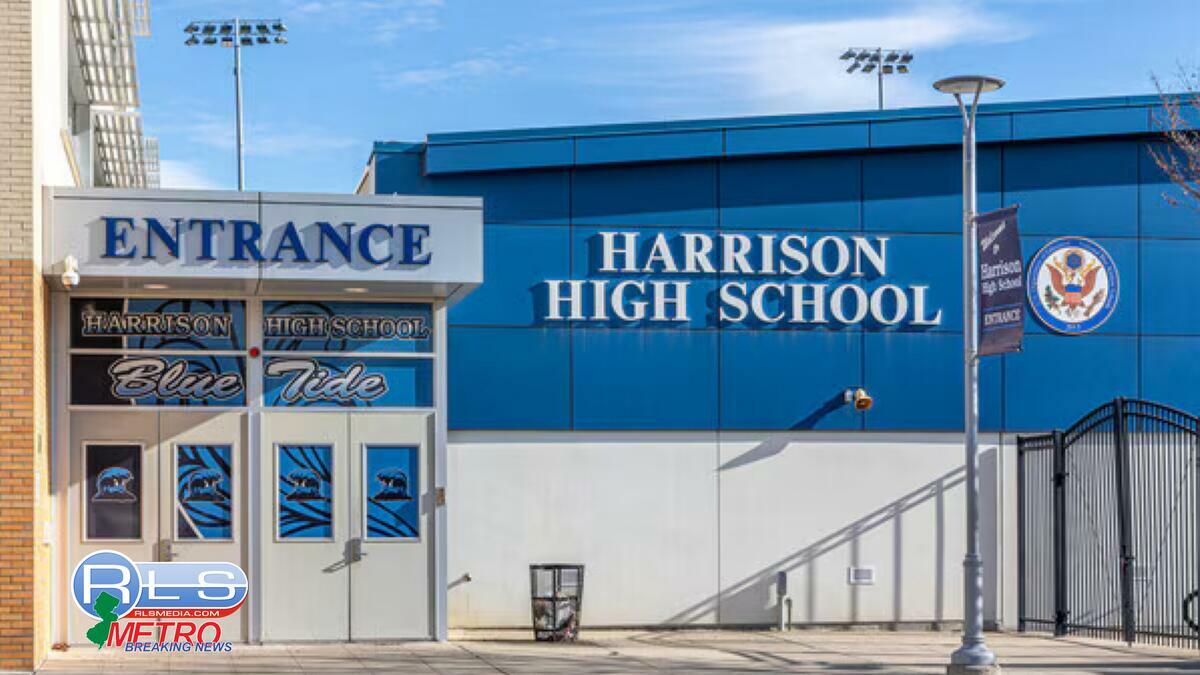
In Hudson County, the Town of Harrison High School (Blue Ribbon recognized excellence) has reportedly faced a troubling pattern, receiving nearly half a dozen swatting-related threats so far this year alone.
Each incident prompted emergency responses and heightened concern among students, staff, and families, underscoring how repeated hoaxes can disrupt an entire school environment.
Here at RLS Media, we also found that multiple schools in Union Township and Newark were placed on lockdown in October 2024 after false reports claimed an armed individual was inside school buildings.
Police conducted thorough sweeps, ultimately determining there was no active threat.
In another incident I’ve covered, several school districts—including Hamilton, East Brunswick, and Newark—were targeted by a wave of hoax calls reporting active shooters.
Those false alarms triggered large-scale police responses and shelter-in-place orders before authorities confirmed there was no danger.
Law enforcement officials say one of the biggest challenges in combating swatting is the technology used to carry it out.
Calls are often made using spoofed phone numbers or routed through internet-based systems, sometimes originating from outside the state, or even outside the country, making it extremely difficult to track those responsible.
Despite those challenges, police must treat every call as real.
Officers frequently respond with full tactical readiness, a necessary step that also increases the risk of confusion or escalation in already tense situations.
Beyond the immediate danger, swatting drains emergency resources, disrupts schools and neighborhoods, and leaves lasting emotional impacts—especially on students forced into repeated lockdowns.
Authorities continue to stress that swatting is not a prank—it is a serious criminal offense that can carry significant prison time. 
More importantly, it creates situations where a false report could lead to very real tragedy.
As incidents continue across New Jersey and the nation, officials are urging vigilance, awareness, and accountability to confront a growing threat where one fake call can endanger entire communities.