
By: Richard L. Smith
Photos Credit: Andrew Potts
Just across the street from Irvington High School, the beautifully maintained greenery surrounding Irvington Township Hall offers a welcoming sight in this busy Essex County community.

The manicured lawns, trees and landscaping provide a refreshing touch of nature in an otherwise bustling urban environment.
Now, just steps away, something equally beautiful is beginning to take root at Irvington High School, where one dedicated science teacher, a group of environmentally conscious students and supportive school administrators are working to make their campus — and ultimately their township — a greener, healthier place.
Last Thursday, I had the pleasure of sitting down with Irvington High School science teacher Ms. Natalie Amores for what became a fascinating 45-minute conversation about environmental responsibility, education and the power of young people to make a difference.
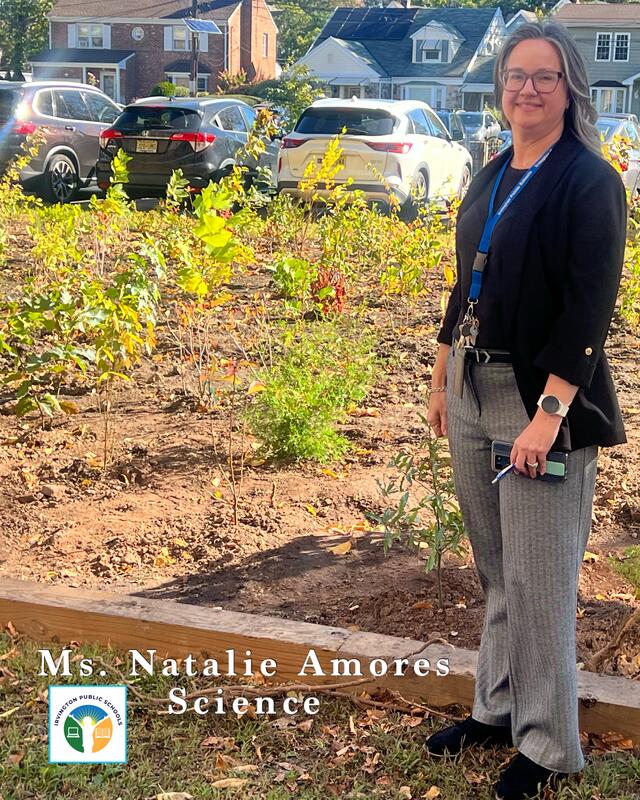
What began as a discussion about a student environmental project quickly became something personal for me.
During my own high school years, I participated in the Ecology Club at West Side High School in Newark.
That experience sparked an interest in environmental science that followed me to William Paterson University, where I continued studying the environment and developed a greater appreciation for how our surroundings influence our health and quality of life.
Sitting across from Ms. Amores, listening to her enthusiasm for teaching and watching her describe the excitement of her students, reminded me why those early experiences mattered so much.
And it reminded me that sometimes the most meaningful lessons happen outside the classroom.
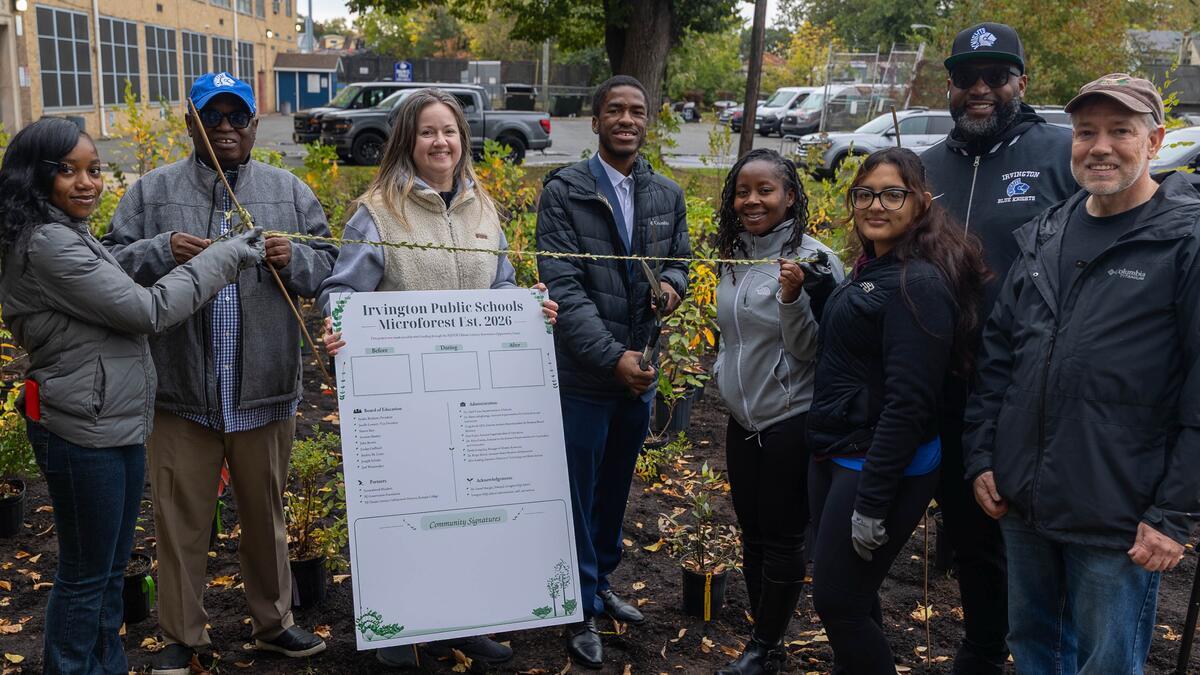
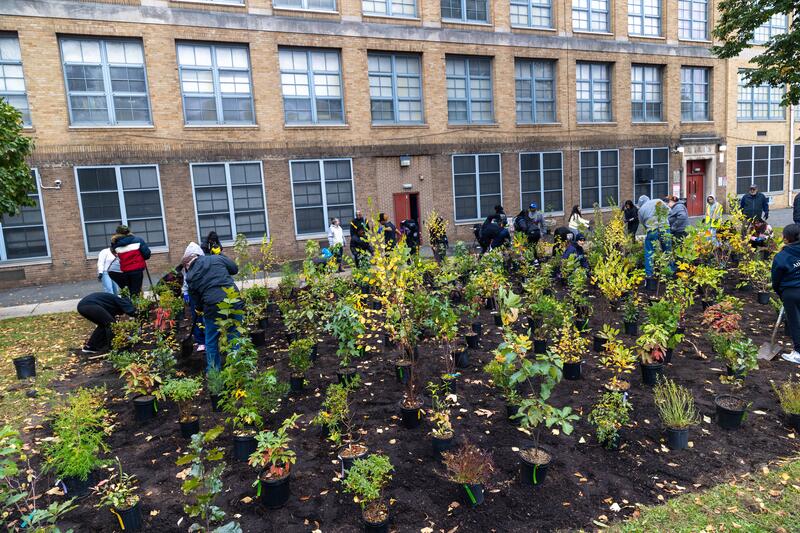
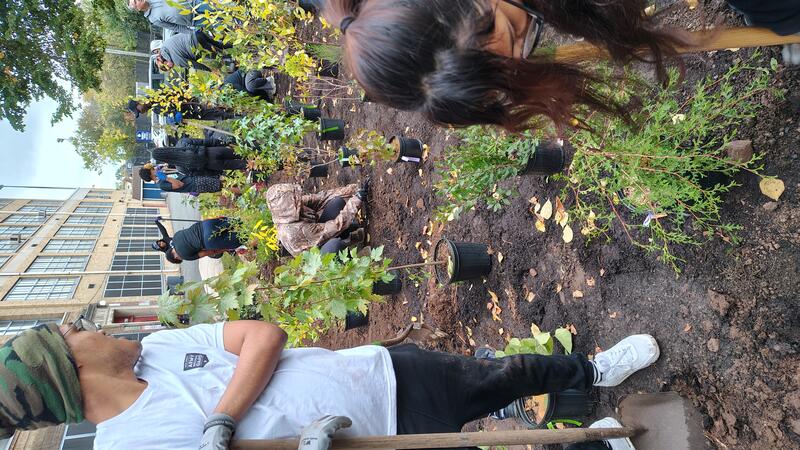
Ms. Amores and her Environmental Science Club recently celebrated a major accomplishment: the planting of a microforest consisting of approximately 311 plants on the Irvington High School campus.
The project, which took nearly two years to become a reality, began with a simple idea from 2025 Valedictorian Ansilo Alezy who helped initiate outreach to organizations that could assist with bringing more greenery to the school.
One organization, Groundwork Elizabeth, responded.
What followed was a lengthy process involving planning, meetings, environmental assessments and, most importantly, securing the funding needed to make the project possible.
Ms. Amores repeatedly credited Dr. John R. Severs, Jr., Supervisor of Science and Engineering, whose efforts in obtaining grant funding helped transform the students’ vision into reality.
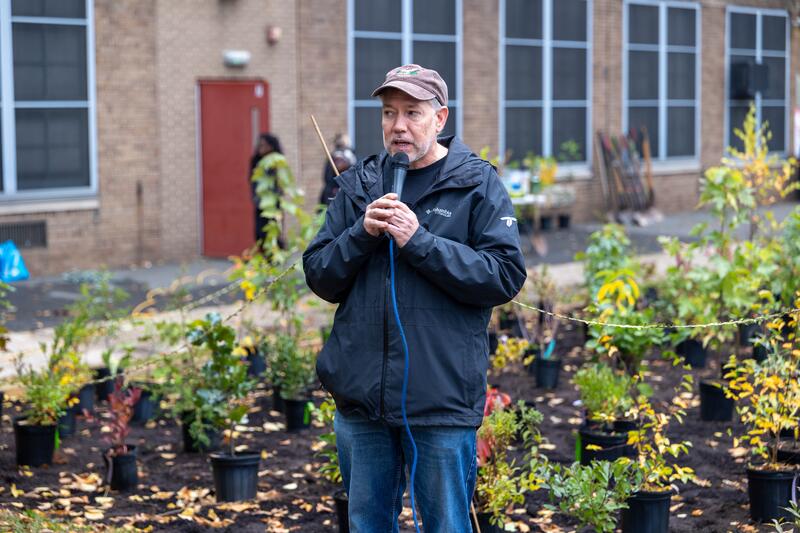
According to Amores, Dr. Severs remained instrumental throughout the process, working alongside Irvington High School Principal Dr. Darnel R. Mangan, Sr., and Groundwork Elizabeth to help move the initiative forward.

There were delays, uncertainty over funding and challenges obtaining the necessary plants. But Dr. Severs continued pursuing the financial support needed to bring the project across the finish line.
And finally, after nearly two years, the students received the news they had been waiting for.
Their microforest was becoming a reality.
On a chilly Saturday morning, students, volunteers and representatives from Groundwork Elizabeth gathered on the school grounds, rolled up their sleeves and began digging.
The work was anything but easy.
Beneath the soil, students encountered rocks, pieces of asphalt and concrete. But as the morning progressed, the cold became less noticeable, and the excitement of planting something that would remain on campus for years began to take over.
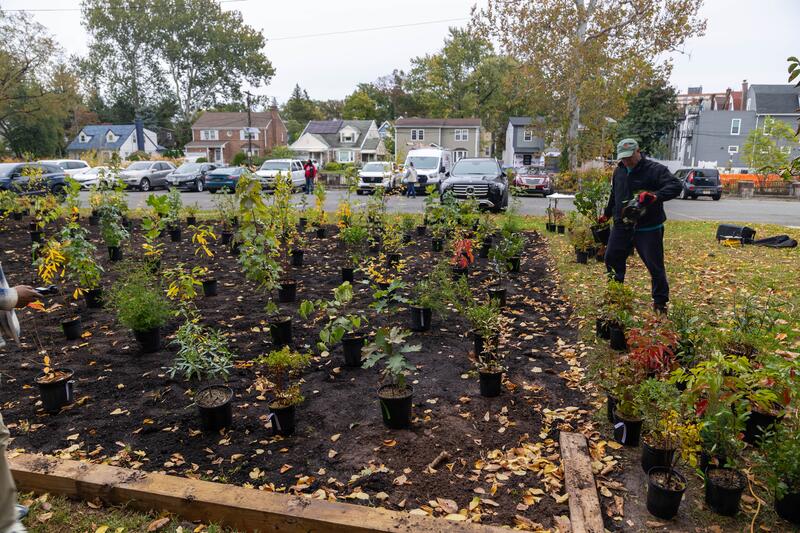
Ms. Amores recalled students asking whether they could participate in similar projects again.
For her, that enthusiasm was one of the greatest rewards.
The microforest is expected to provide environmental benefits as the plants mature, including absorbing carbon dioxide, supporting biodiversity, improving the landscape and helping manage stormwater.
But Amores sees something even more valuable. It is now a living classroom.
Students will be able to study plant growth, measure environmental changes, examine carbon absorption and observe firsthand how vegetation can influence the surrounding ecosystem.
Instead of simply reading about environmental science, they can walk outside and experience it.
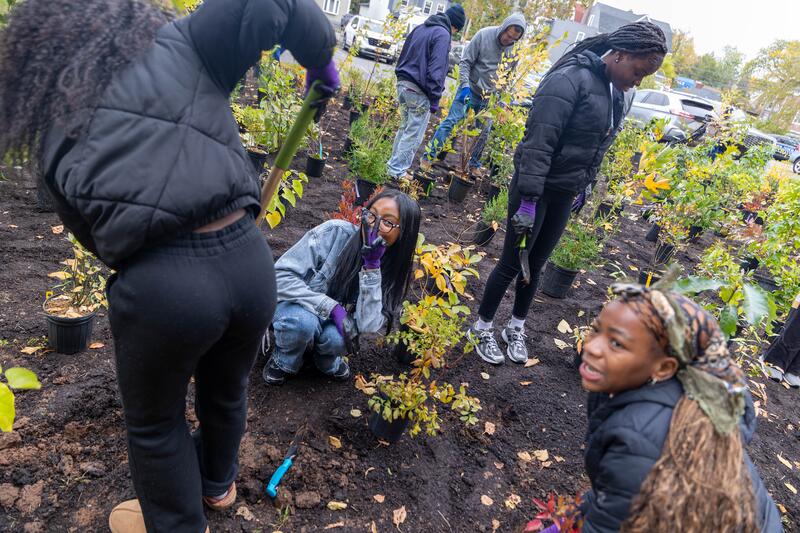
During our conversation, Amores spoke passionately about the amount of concrete surrounding many schools and neighborhoods, including throughout Essex County.
She explained how trees provide shade, help reduce excessive heat and create habitats for birds, insects and other wildlife.
She also believes that a beautiful environment can change how students feel about their school.
Her next dream is to bring additional landscaping to the front of Irvington High School and eventually create inviting outdoor spaces where students can sit, relax and enjoy their surroundings.
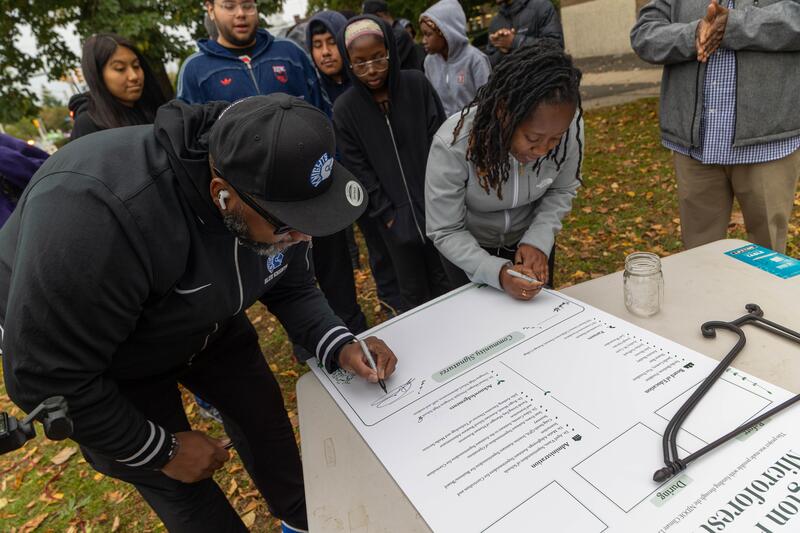
And while the microforest represents a major accomplishment, the students themselves may be the project’s greatest success story.
I also had an opportunity to speak with Irvington High School student Oluwanifemi Seyi-Idowu, an upcoming valedictorian who participated in the planting effort.
Despite a demanding academic schedule and numerous school commitments, she made time to help bring the project to life.
Her reasoning was simple: she cares about the environment and believes even small contributions can make a meaningful difference.
She described the satisfaction of seeing something that began as an idea become a physical improvement to her school.
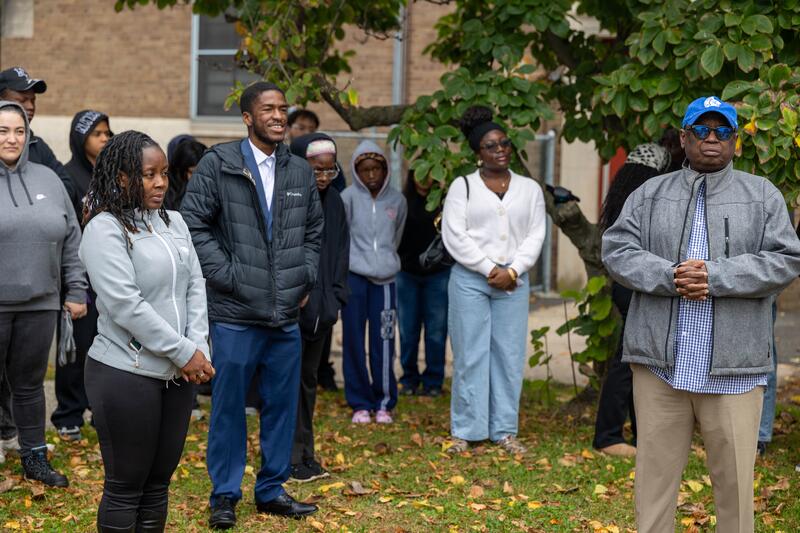
Seyi-Idowu also discussed the club’s interest in organizing community cleanups and encouraging other students to become more environmentally aware.
Her involvement reflects something I found especially encouraging throughout my visit: these young people are not simply learning about environmental problems. They are actively looking for ways to address them.
Ms. Amores, whose own journey into teaching included working as a waitress while supporting herself and completing her education, understands the importance of perseverance.
She told me that one of the greatest joys of teaching comes when students experience those unforgettable moments of understanding — when a difficult concept suddenly makes sense.
Today, those moments are happening not only inside her classroom, where students maintain an indoor garden, but also outside, where their newest environmental project is beginning to grow.
The initiative reflects the importance of support throughout the Irvington Public Schools community, including Principal Dr. Mangan, Superintendent Dr. April Vauss and particularly Dr. Severs, whose grant-writing efforts helped make this environmental investment possible.
As I left Irvington High School, I thought about how a project involving 311 plants could eventually influence hundreds of students and perhaps inspire similar efforts throughout the township.
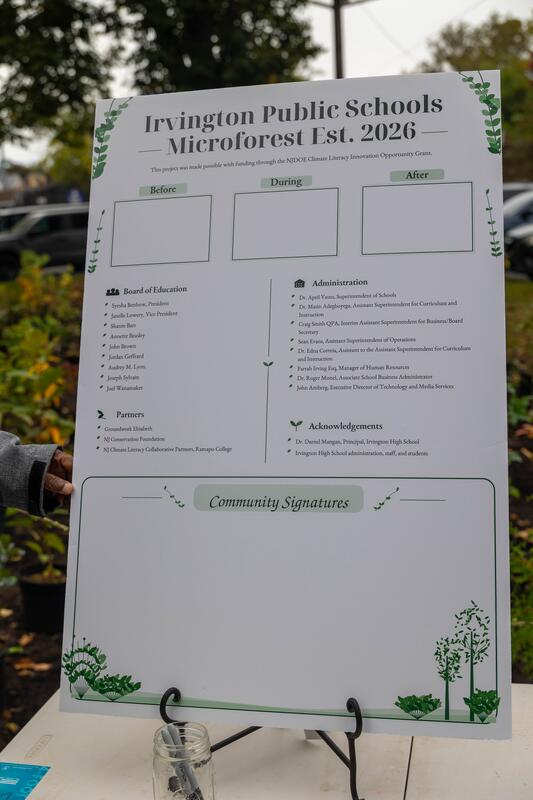
The microforest will need care, watering and attention as it becomes established. Its environmental impact will develop over time.
But something important has already happened.
Students have discovered that their ideas matter, their efforts can produce visible results and they have the ability to improve the community around them.
For Ms. Natalie Amores, that may be the most meaningful lesson of all.
And for me, it was a wonderful reminder of why environmental education mattered so much during my own school years.
Across from the beautiful greenery of Irvington Township Hall, another generation is now learning to appreciate the natural world — not simply by studying it, but by planting it, caring for it and watching it grow.