
By: Richard L. Smith
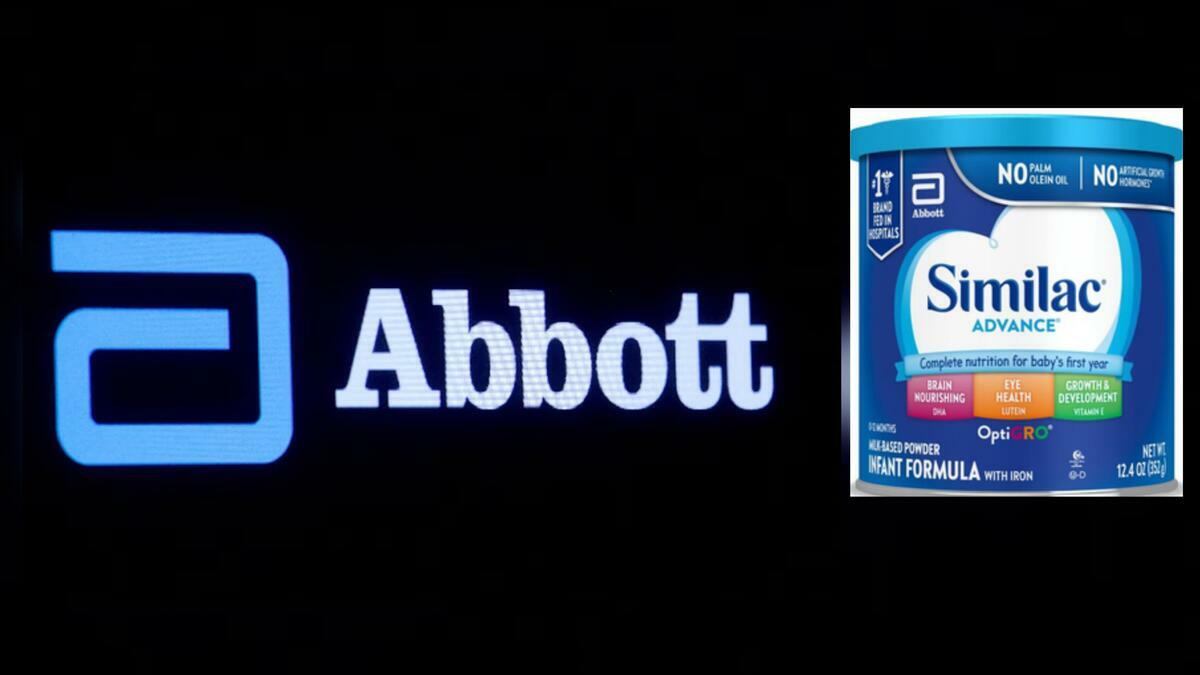
New Jersey will receive a share of a nearly $384 million multistate settlement with Abbott Laboratories over allegations involving the manufacturing of certain powdered infant formula and nutritional products.

According to information sent by the New Jersey Attorney General’s Office, the state joined 39 other states and the federal government in resolving claims that Abbott caused false claims to be submitted to government-funded programs while certain products allegedly were not manufactured in compliance with required health and safety standards.
Federal and state officials alleged that between 2018 and 2022, Abbott manufactured certain products at facilities in Sturgis, Michigan, and Casa Grande, Arizona, under conditions that created an unacceptable risk of microorganism contamination.
Authorities alleged the company failed to properly maintain some manufacturing equipment and adequately control the presence of water, which could increase contamination risks.
Officials also alleged that Abbott failed in certain instances to disclose test results indicating microorganism contamination when responding to FDA requests during inspections of the Sturgis facility.
The allegations involve products purchased through programs including the Special Supplemental Nutrition Program for Women, Infants, and Children, commonly known as WIC, and state Medicaid programs.
Under the settlement, Abbott will pay approximately $348.7 million to the federal government and another $35.5 million to participating states.
New Jersey’s Medicaid portion of the settlement totals $904,569. After the federal and other applicable shares are accounted for, the state’s net share is approximately $358,885.
Attorney General Jennifer Davenport said the settlement addresses allegations involving products purchased with taxpayer funds and emphasized the importance of protecting infants and families from potentially unsafe products.
The agreement resolves the government claims and stems from a False Claims Act lawsuit initially filed in federal court in 2022.