
By: Tracie Carter
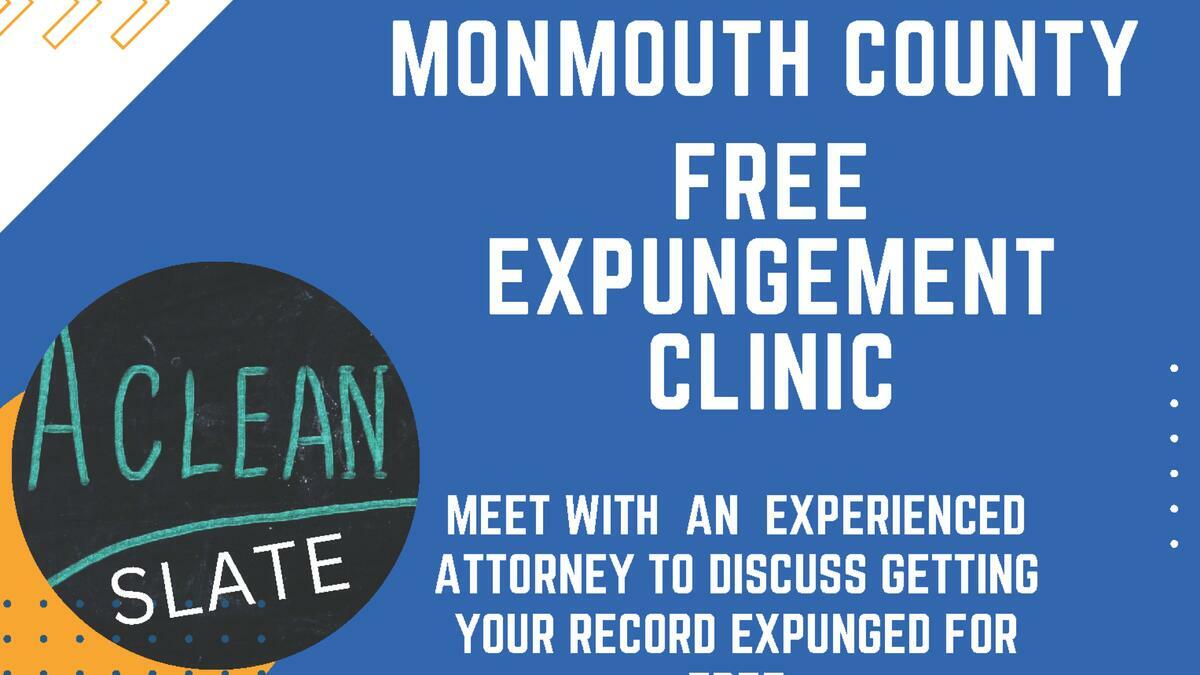
Monmouth County officials are preparing to host a large-scale expungement clinic in Long Branch next week, giving eligible residents an opportunity to receive free legal assistance to clear their criminal records.

According to an announcement from Monmouth County Prosecutor Raymond S. Santiago, the event marks the second countywide effort of its kind and is aimed at helping individuals move forward without past legal issues limiting their opportunities.
The clinic is being organized through a broad partnership that includes the Monmouth County Prosecutor’s Office, the New Jersey Office of the Public Defender, the Monmouth County Bar Association, Legal Aid Society of Monmouth County, New Jersey Reentry Corporation, the Boys & Girls Club of Monmouth County, the Monmouth County One Stop Career Center, the Long Branch Police Department, and several community-based organizations.
Officials say the initiative is designed to remove barriers that often prevent individuals from securing employment, housing, and other opportunities due to past records.
Expungement allows eligible individuals to have certain arrests and convictions removed or sealed from public view, effectively giving them a clean slate under the law.
The free clinic will take place on Thursday, April 16, from 11 a.m. to 3 p.m. at Second Baptist Church.
Community members will be able to walk in and meet with volunteer attorneys who will help determine eligibility and, in many cases, assist with filing expungement petitions on-site the same day.
Organizers noted that the first clinic, held in Asbury Park, drew more than 300 attendees, with roughly 100 individuals successfully completing the expungement process during the event.
This year, officials say they hope to expand that impact and reach even more residents in need of legal support.
Under New Jersey law, once an expungement is granted, records tied to an individual’s arrest or conviction are removed from public access across courts, law enforcement agencies, and correctional institutions.
Agencies responding to record requests are then required to indicate that no record exists.

Local leaders and legal advocates have expressed strong support for the program, emphasizing its role in helping residents rebuild their lives and reenter the workforce with fewer obstacles.
The event is free and open to the public, with no registration required.