
By: Richard L. Smith
Long before social media, growing up in Newark’s Central and West Wards, election season felt almost like a neighborhood festival. 
Cars would ride through the streets around South Orange Avenue and South 12 Street where we lived blasting announcements urging residents to get out and vote.
Campaign teams knocked on doors, left flyers in mailboxes, and made sure people knew exactly who was running—and just as importantly, who was aligned with whom.
There was also a -funny- level of strategy that made things both interesting and, at times, a bit confusing.
Some campaign literature gave the impression that certain candidates were part of a larger ticket or team when they weren’t, creating a layer of perception that didn’t always match reality.
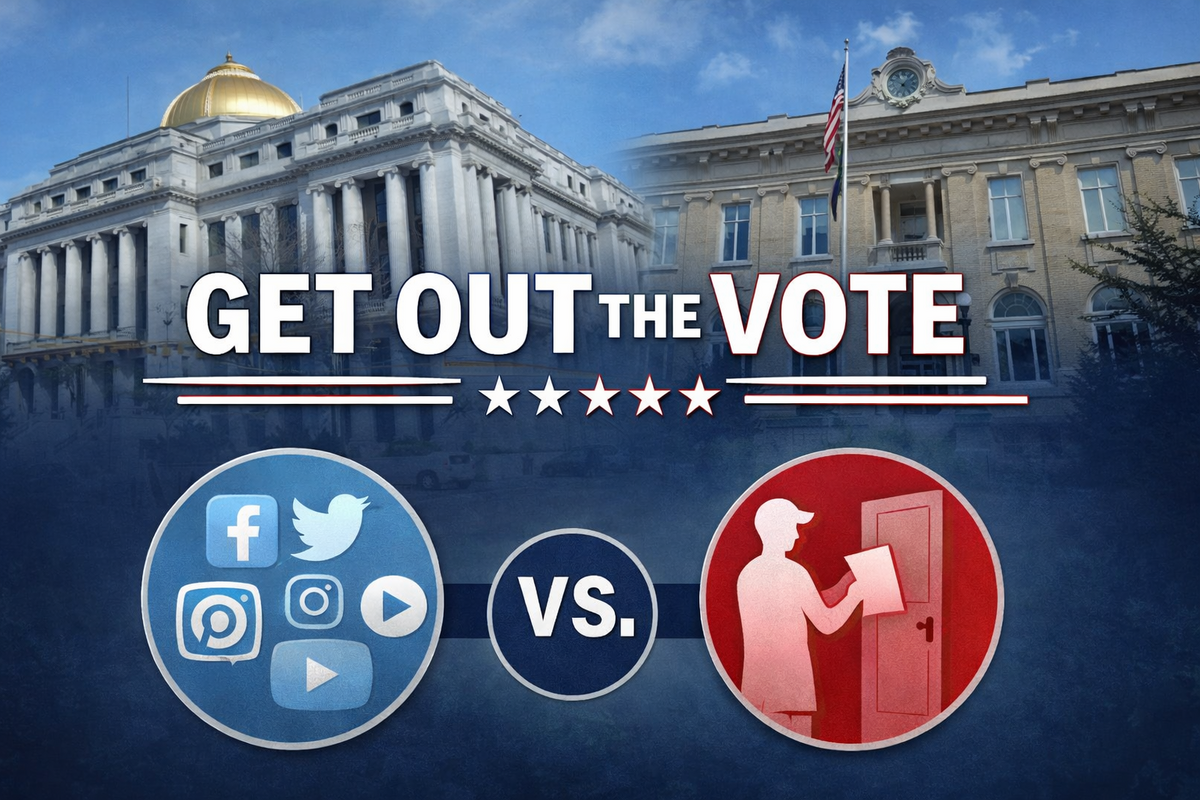
For many residents, those details mattered, and it all pointed back to one thing: the GROUND GAME. Yup, who can get people out to vote (physically; sometimes).
From what I fondly remember, the final weeks of an election were about visibility, organization, and ultimately getting people to the polls.
As I got older, I was lucky to work on a couple of campaigns -handing out campaign literature on election day- where I was paid at the end, given something very tasty for lunch, and even made some great community connections. It was fun!
More than three decades later, that landscape has evolved. Social media now plays a major role in how campaigns communicate, and in places like Newark and Belleville, it has become a central tool in the lead-up to the May 12 municipal elections.
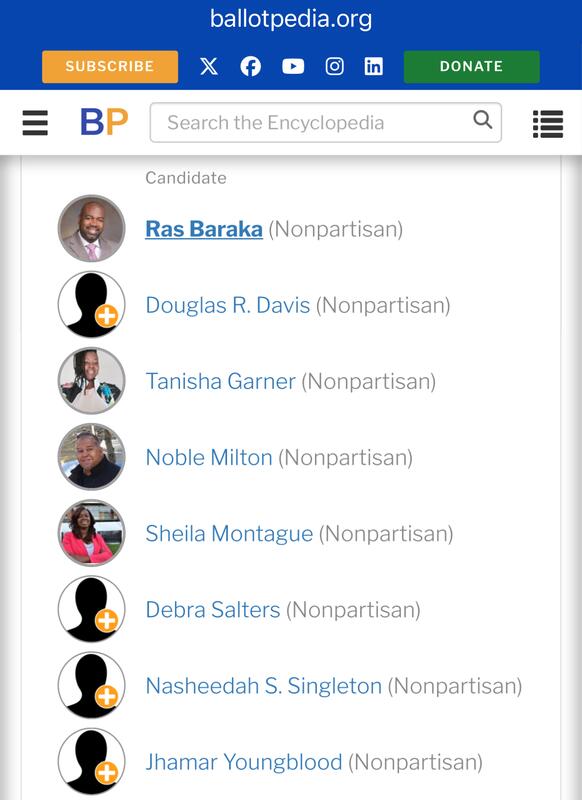
In Newark, Mayor Ras Baraka is seeking re-election in a race that includes challengers such as Douglas R. Davis, Sheila Montague, Jhamar Youngblood, Debra Salters
Noble Milton, Tanisha Garner and others, according to Ballotpedia.
Online, candidates are actively sharing messages, producing video content, and engaging directly with voters, creating a steady stream of campaign visibility that can give the impression of a highly competitive race.
But Newark’s election history suggests that outcomes are often decided beyond the screen.
The city’s well-established political infrastructure has, for decades, demonstrated an ability to organize and mobilize voters—especially in the closing stretch of a campaign.
That reality was evident in the recent Central Ward contest, where (now) Incumbent Councilwoman Amina Bey -backed by Mayor Ras Baraka- narrowly defeated Former Councilwoman Gayle Chaneyfield Jenkins in a race decided by fewer than 100 votes. Despite strong visibility from both candidates, turnout efforts ultimately proved decisive.
A similar dynamic may be taking place in Belleville, where Mayor Michael Melham is facing a challenge from Councilman Frank Velez.
Vélez has built a noticeable presence on social media, consistently engaging with residents through video and community-focused messaging.
That online activity has generated discussion around the race and, in some circles, positioned him as a strong contender.
Still, local elections in Belleville have traditionally been shaped by direct voter contact and turnout operations—factors that are less visible online but often critical in determining results.
Social media has undoubtedly changed how campaigns operate, offering candidates a powerful platform to reach voters quickly and consistently.
At the same time, the fundamentals of campaigning, door knocking, community engagement, and organized efforts to get out the vote, remain deeply rooted in both Newark and Belleville.

As Election Day approaches, the balance between digital visibility and ground-level execution will likely come into sharper focus.
While social media continues to generate buzz and shape perception, history in these communities suggests that what happens in the streets, neighborhoods, and final days of outreach may once again play the defining role.